The Night It Would Not Let Go
Emily was standing in her kitchen at 2:17 a.m., one hand pressed against her cheek, the other gripping a mug of lukewarm water she kept forgetting to drink. The toothache had started as a whisper, a dull tap every time she chewed dinner, but now it felt like a steady drumbeat deep in her jaw. She told herself it would fade, that maybe it was stress or a stray popcorn kernel. Yet here she was, pacing barefoot on cold tile, wondering what can help with a toothache when painkillers barely touch it.
Her thoughts kept circling the same fears. Is this serious? Will it get worse? Do I really need to see a dentist? Tooth pain has a way of shrinking your world to a single aching point. When it strikes, everything else fades into the background.

Why Toothaches Feel So Overwhelming
By morning, Emily felt exhausted and irritable. Toothaches do not just hurt, they hijack your attention. A tooth is like a tiny alarm system wired directly to your nervous system. When something is wrong, inflammation, decay, pressure, it sends signals you cannot ignore. That is why a toothache can feel bigger than a sprained ankle or a sore back.
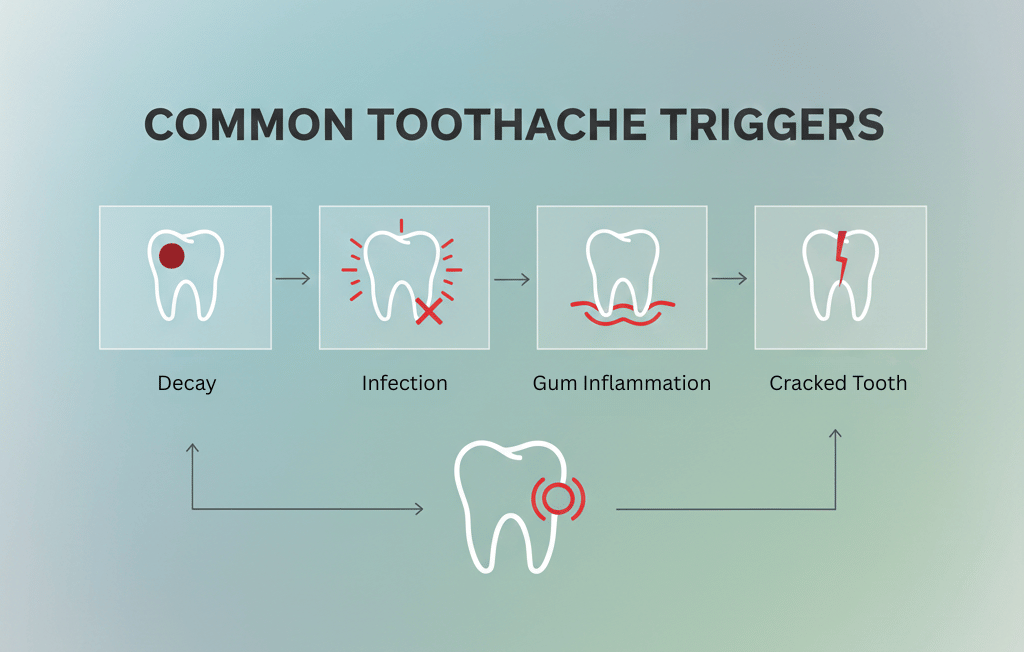
What surprised Emily most was how unpredictable the pain felt. Sometimes it pulsed with her heartbeat. Other times it flared when she drank cold water or bit down on toast. Toothaches behave this way because different problems trigger pain differently. Nerve irritation feels sharp, gum inflammation feels sore and throbbing, and a cracked tooth can feel like a sudden electric jolt.
Understanding this helped her realize something important. Relief depends on the cause, not just the symptom.
The At Home Fixes Emily Tried First
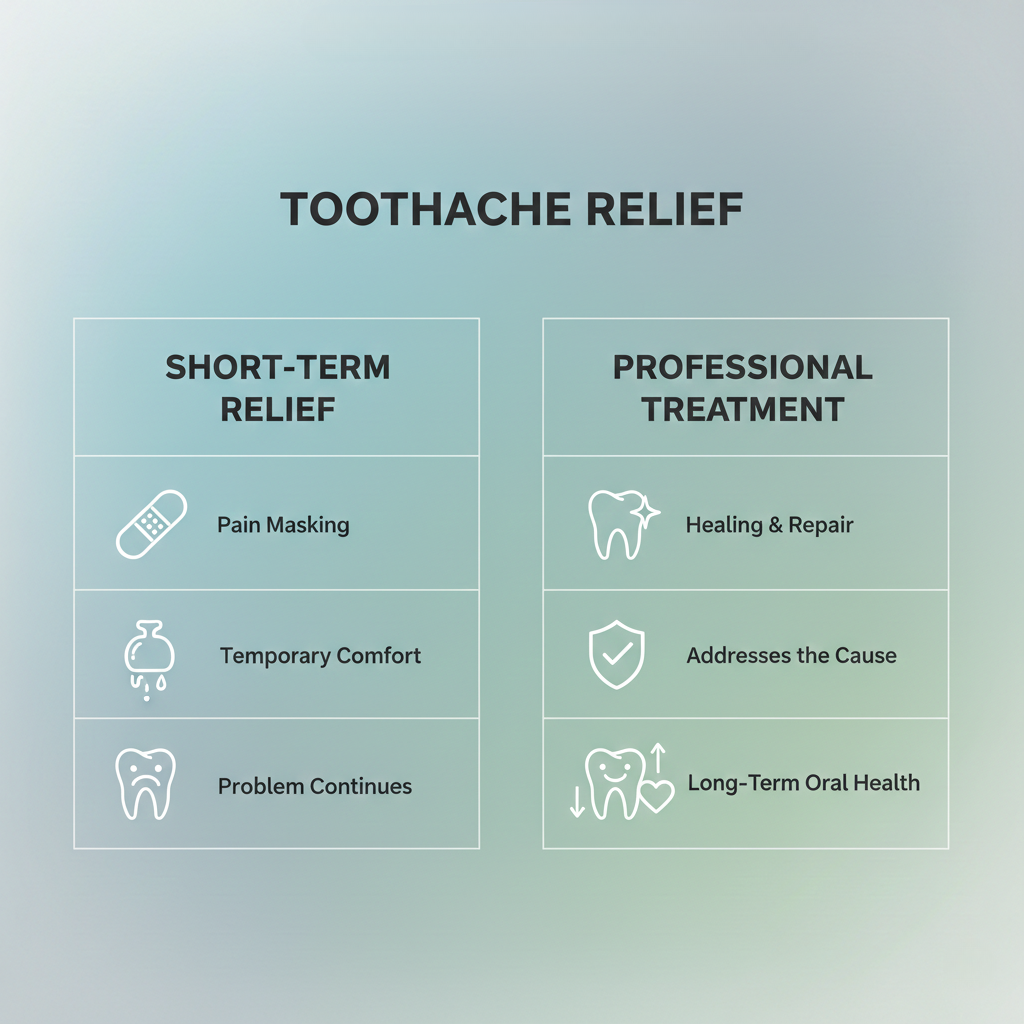
Like most people searching for toothache relief, Emily started with what she had at home. She rinsed with warm salt water, which can calm irritated gums and wash away debris. She held a cold compress against her cheek, noticing how the numbing chill dulled the ache for a few precious minutes. She even adjusted how she slept, propping her head up to reduce pressure.
These steps can help in the short term. Salt water works like a gentle cleanser, cold packs slow inflammation, and over the counter pain relievers can take the edge off. But Emily noticed a pattern. The pain always came back. Temporary relief is not the same as a solution, and that realization brought both clarity and anxiety.
This is the moment many patients reach. The point where you stop asking, “What can help with a toothache right now?” and start asking, “What is causing this in the first place?”
When Tooth Pain Signals Something More
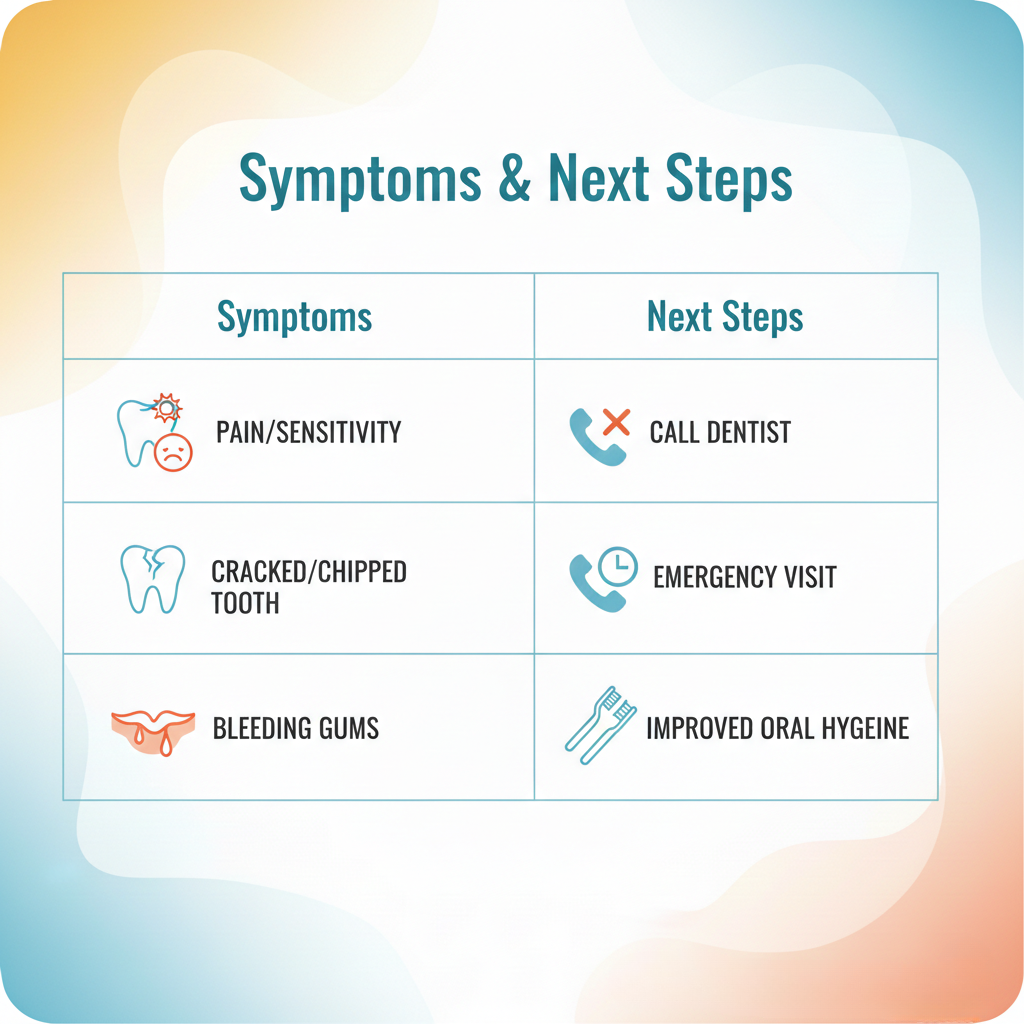
By the third day, Emily felt a new sensation, a deep pressure that lingered even when she was not chewing. That was her clue. Persistent tooth pain often means the inner pulp of the tooth is inflamed or infected. Think of the tooth like a house. When the wiring inside is damaged, flipping the breaker does not fix it. You need a professional repair.
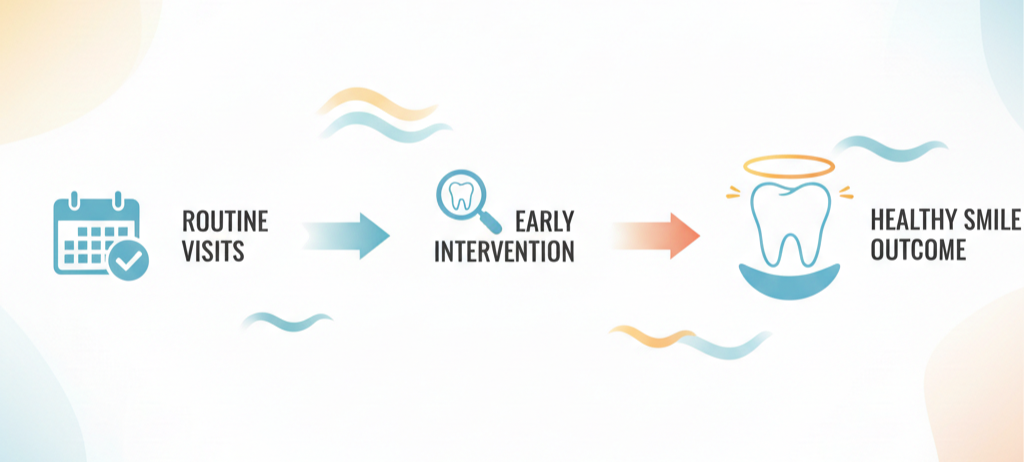
Common causes we see at Lifetime Smiles Cosmetic Dentistry include cavities that have reached the nerve, abscesses, cracks you cannot see, or advanced gum disease. This is where a professional evaluation, like a focused exam and digital imaging, becomes essential. A visit for exams and cleanings can uncover issues before they escalate into emergencies.
Ignoring ongoing pain is a gamble. Toothaches rarely resolve on their own, and delaying care often means more complex treatment later.