It Started With Movie Night
Maria almost laughed it off at first. Friday night meant movie night at her house, the kind with extra butter, loud grandkids, and bowls of popcorn passed around like candy. Somewhere between the previews and the opening scene, she felt it, a tiny snap of pressure near her lower molar. She paused, pressed her tongue against the spot, and thought, Great. A kernel.
By the end of the movie, the annoyance had turned into a sharp, nagging reminder that something was wrong. She flossed carefully, swished salt water, even tried coaxing it out with the corner of a tissue. No luck. When she woke up Saturday morning, her gum felt swollen, tender, and angry, like it had something to prove.

Why A Tiny Kernel Can Cause Big Trouble
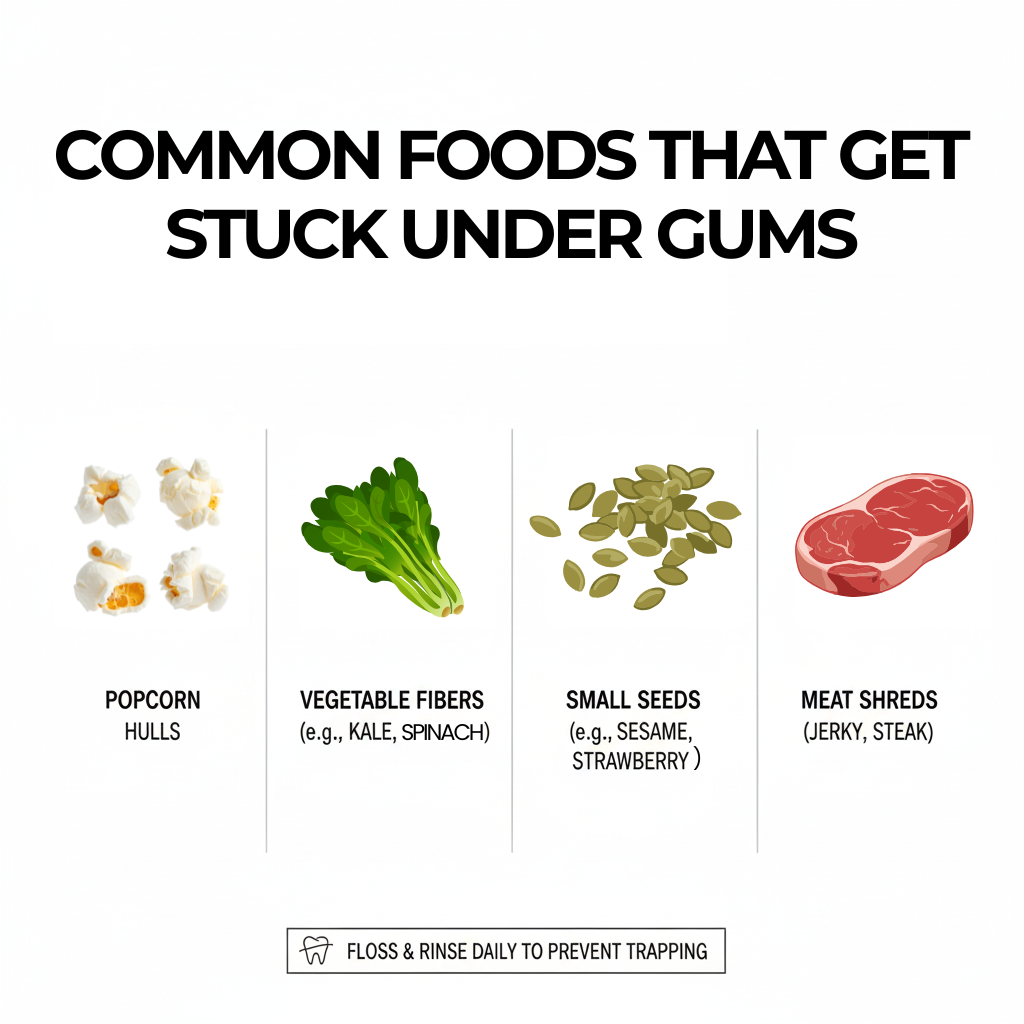
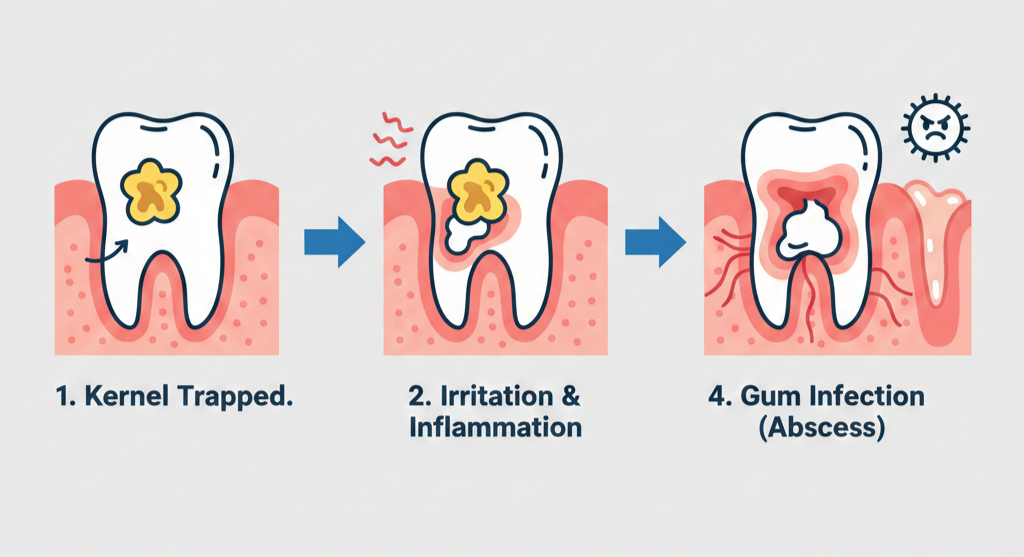
This is the part that surprises most people. Popcorn kernels are small, but they are stubborn. The thin, sharp husks can slide under the gumline the way a splinter slides under skin. Once it is there, your body treats it like an invader.
Maria noticed the soreness spreading. It was not just discomfort anymore. It hurt when she chewed, throbbed when she lay down, and made her constantly aware of her mouth. That awareness, the kind you cannot ignore, is usually your gums saying, Please do not handle this yourself.
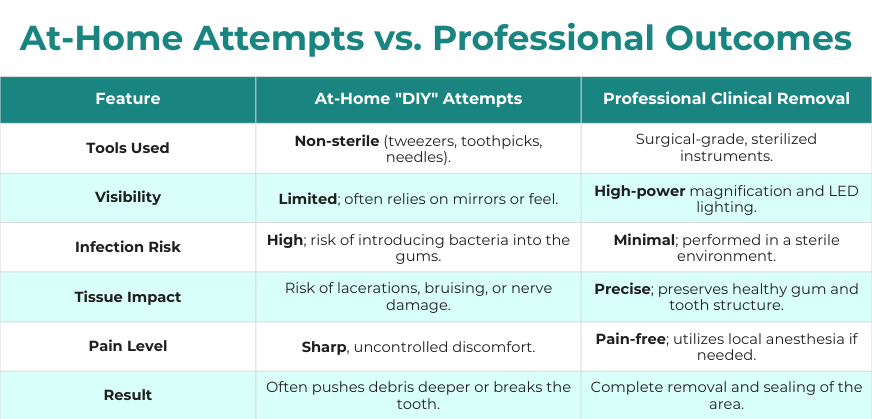
Think of your gums like the cuff of a turtleneck. Once something slips underneath, pushing harder from the outside usually makes it worse. Flossing aggressively or digging with sharp objects can drive the kernel deeper, tearing delicate tissue and opening the door to infection.
The Moment Doubt Creeps In
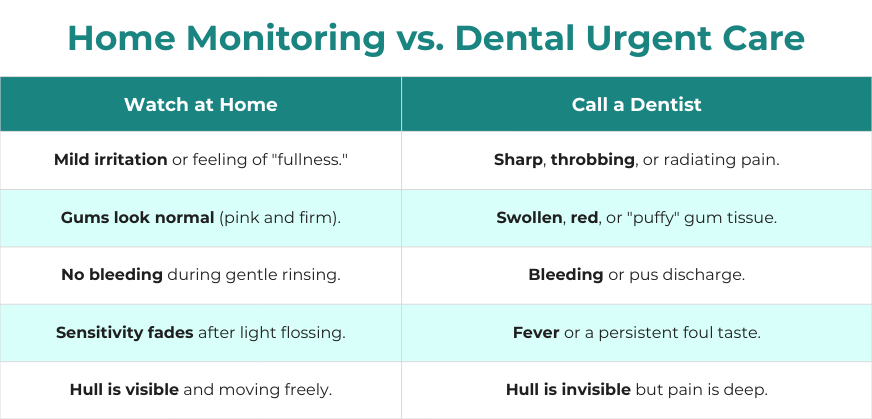
By Sunday afternoon, Maria was asking the question many patients quietly ask themselves. Is this really an emergency? She did not want to overreact. She did not want to bother anyone. And she definitely did not want a lecture.
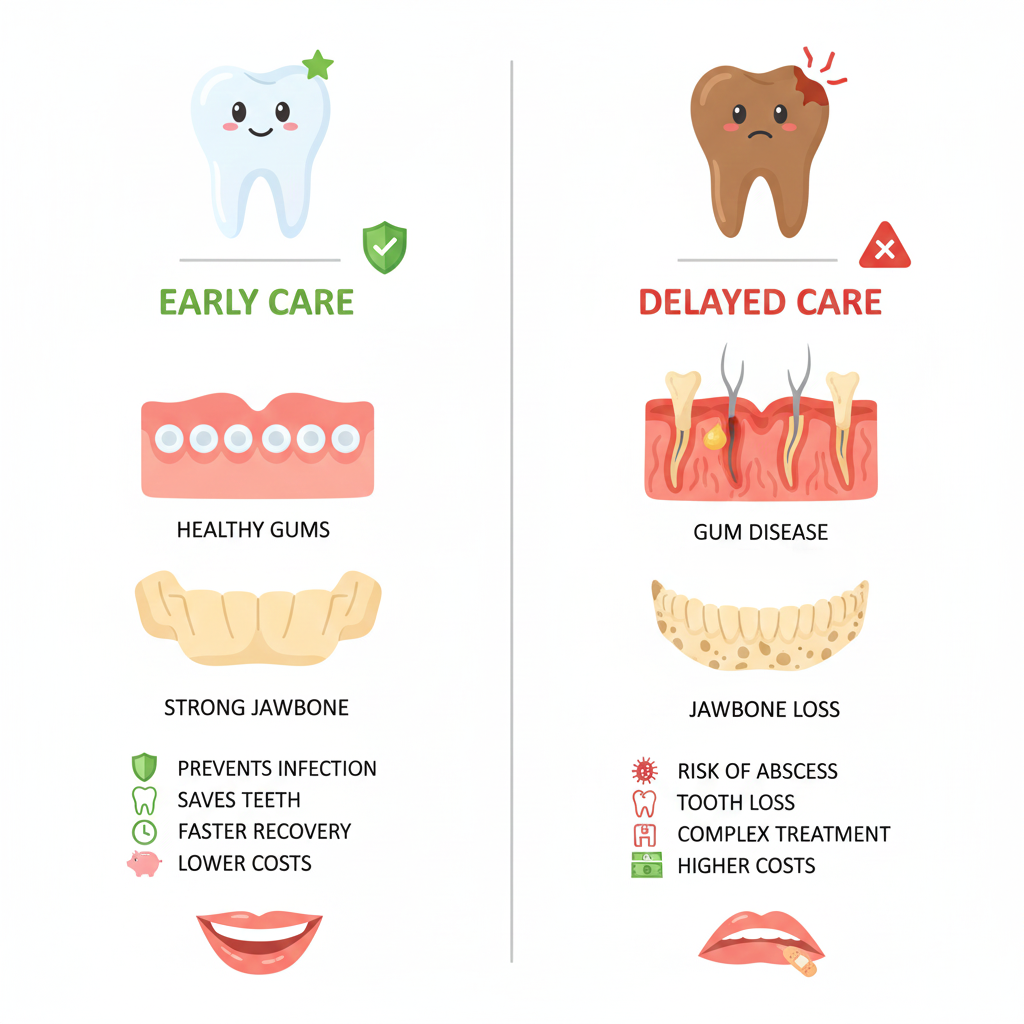
But here is the truth. Gum infections rarely start with drama. They start small, quietly, with swelling, tenderness, and that constant awareness that something is off. Left alone, a trapped kernel can lead to an abscess, bone irritation, or a flare-up of existing gum disease.
In Maria’s case, the area around an old filling was already a little sensitive. The kernel was not just stuck, it was complicating things. This is where emergency dentistry becomes less about pain and more about prevention.
What Happens During An Emergency Visit
Maria finally called Monday morning. Her voice dropped when she explained it, almost apologetic. The relief she felt hearing, “Yes, we can help with that,” was immediate.
During an emergency dental visit, the goal is simple. Remove the problem gently and completely. That often means using specialized instruments, magnification, and irrigation to flush out the area without damaging the gums.
At Lifetime Smiles Cosmetic Dentistry, emergency care is approached with the understanding that you are already uncomfortable and worried. The focus is not just removing the kernel, but calming the inflammation and making sure no fragments remain behind. In some cases, a soothing medicated rinse or antibiotic support may be recommended, especially if the gums show signs of infection. You can learn more about how urgent concerns are handled through their emergency dentistry services here.
The Relief No One Talks About
When the kernel was finally removed, Maria felt it instantly. The pressure released, the swelling began to calm, and she realized how much tension she had been carrying in her jaw and shoulders.
This is something patients often mention afterward. It is not just physical relief. It is emotional. The constant mental check-in disappears. Eating feels normal again. Smiling stops feeling cautious.
She was surprised by how quick and gentle the visit was. No digging. No scolding. Just careful attention and reassurance that she had done the right thing by coming in.