Back to Blogs

Safe Ways to Remove a Popcorn Kernel From Your Teeth

Dislodging a stubborn popcorn kernel requires gentle home care, but persistent pain or signs of infection mean it's time to see a dentist.

September 8, 2026
2 min read
Jacob sits at a dining table, wearing an olive button-down shirt, biting into a piece of buttered toast with a wincing expression, with a lamp glowing in the background.
Back to Blogs

Safe Ways to Remove a Popcorn Kernel From Your Teeth

Jacob sits at a dining table, wearing an olive button-down shirt, biting into a piece of buttered toast with a wincing expression, with a lamp glowing in the background.

Dislodging a stubborn popcorn kernel requires gentle home care, but persistent pain or signs of infection mean it's time to see a dentist.

September 8, 2026
2 min read

How to Safely Remove a Popcorn Kernel

Safely removing a popcorn kernel stuck in your teeth or gums involves gentle techniques to avoid injury. Start with rinsing, then carefully use dental floss, or a water flosser. If these methods fail after a few attempts, avoid sharp objects and consider contacting a dental professional like Dr. Sean Arzegar at Lifetime Smiles Cosmetic Dentistry.

Finding a popcorn kernel lodged uncomfortably can be quite annoying, but it's important to approach its removal with care. Aggressive attempts can push the kernel deeper, irritate your gums, or even cause damage to your tooth enamel. The goal is to dislodge the food particle without creating further issues, ensuring your oral health remains intact.

Many people experience this common issue, and fortunately, most kernels can be removed at home using simple, effective techniques. Understanding the right approach can save you discomfort and prevent potential problems.

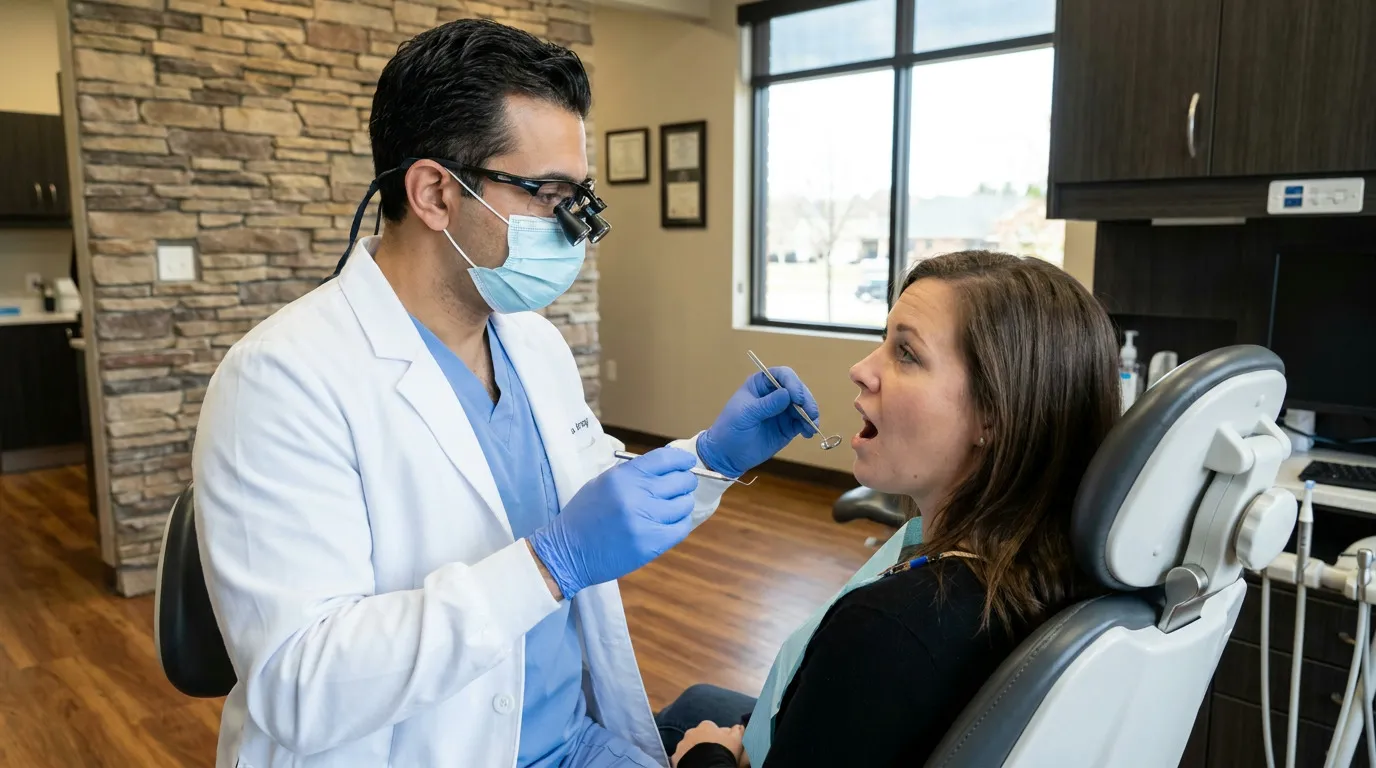
Dr. Sean Arzegar, wearing a mask, loupes, blue scrubs, and a white lab coat, examines a patient's open mouth with a dental mirror and probe in a modern dental operatory with a large window.

Why Does Popcorn Get Stuck in Teeth?

Popcorn kernels often get stuck due to their unique shape, small size, and rigid texture, allowing them to lodge easily between teeth, under the gumline, or in existing dental work. Their thin, hard shells can slip into tight spaces that softer foods typically wouldn't, making them particularly bothersome.

The anatomy of your mouth, combined with the characteristics of popcorn, creates a perfect storm for these situations. Spaces between teeth, small gaps around fillings or crowns, and even natural gum pockets can become traps. It's not just the kernel itself, but often the husk that causes the most trouble.

  • Irregular shapes of popcorn husks make them prone to catching on the irregular surfaces of your teeth and gums.
  • Small size allows kernels to fit into incredibly tight crevices.
  • Rigid texture means they don't break down easily with saliva or chewing pressure.
  • Gumline irritation can occur when a kernel presses against or gets embedded in delicate gum tissue.
  • Dental work gaps like those around dental crowns or dental fillings can create ideal lodging spots.

Common Traps for Kernels

It's common for kernels to lodge between molars, which have larger chewing surfaces, or at the gumline of any tooth, leading to localized discomfort and sometimes sharp pain.

A man in a light shirt looks down at a wooden surface with scattered popcorn and husks, some lodged in a white ceramic tooth model.

Step-by-Step Guide to Removing Stuck Popcorn

To remove a stuck popcorn kernel, first rinse thoroughly with warm water, then gently floss the affected area. Next, use a water flosser if available, focusing the stream around the lodged kernel. Finally, try a salt-water rinse to help dislodge any remaining debris and soothe irritated gums.

Attempting removal at home should always prioritize gentleness to prevent injury to your gums or teeth. Always ensure your hands are clean before touching your mouth. Follow these steps methodically.

  • Rinse thoroughly: Begin by swishing warm water vigorously in your mouth for 30-60 seconds. This can sometimes dislodge loose debris and soften anything caught.
  • Gentle flossing: Use a clean piece of dental floss. Carefully slide it between the teeth surrounding the kernel, moving it up and down, and then gently into the gumline. Avoid aggressive sawing motions.
  • Water flosser: If you own a water flosser, use it on a low setting. Direct the stream of water at the kernel, using short bursts to try and flush it out. This can be very effective for debris stuck under the gumline.
  • Salt-water rinse: Mix a teaspoon of salt into a glass of warm water. Swish this solution for about 30 seconds. The salt water can help reduce inflammation and potentially loosen the kernel, while also providing antiseptic benefits.

When to Stop Home Attempts

If after a few gentle attempts, the kernel remains stubbornly lodged, it’s crucial to stop and avoid further irritation. Poking with toothpicks, pins, or other sharp objects can cause significant damage to your gums, leading to infection or further embedding the kernel.

Melissa flosses her teeth while looking into a bathroom mirror above a sink with a toothbrush, soap dispenser, and faucet.

Dangers of Not Removing a Popcorn Kernel

Leaving a popcorn kernel stuck in your teeth or gums can lead to several oral health complications, including localized pain, gum inflammation (gingivitis), and potentially gum abscesses or infections. Prolonged presence can also cause bad breath, dental damage, or exacerbate existing periodontal issues.

While a minor annoyance initially, an unaddressed popcorn kernel can escalate into a more serious problem. The small piece of food debris, especially if lodged deep under the gumline, acts as a foreign body that irritates delicate tissues. This irritation can rapidly progress.

The most common immediate risk is gum inflammation. This manifests as redness, swelling, and tenderness in the gum tissue around the trapped kernel. If the inflammation persists, it can create a localized infection, which might develop into a painful abscess, requiring professional emergency dentistry attention. Over time, persistent debris can also contribute to the progression of periodontal disease, impacting the bone supporting your teeth.

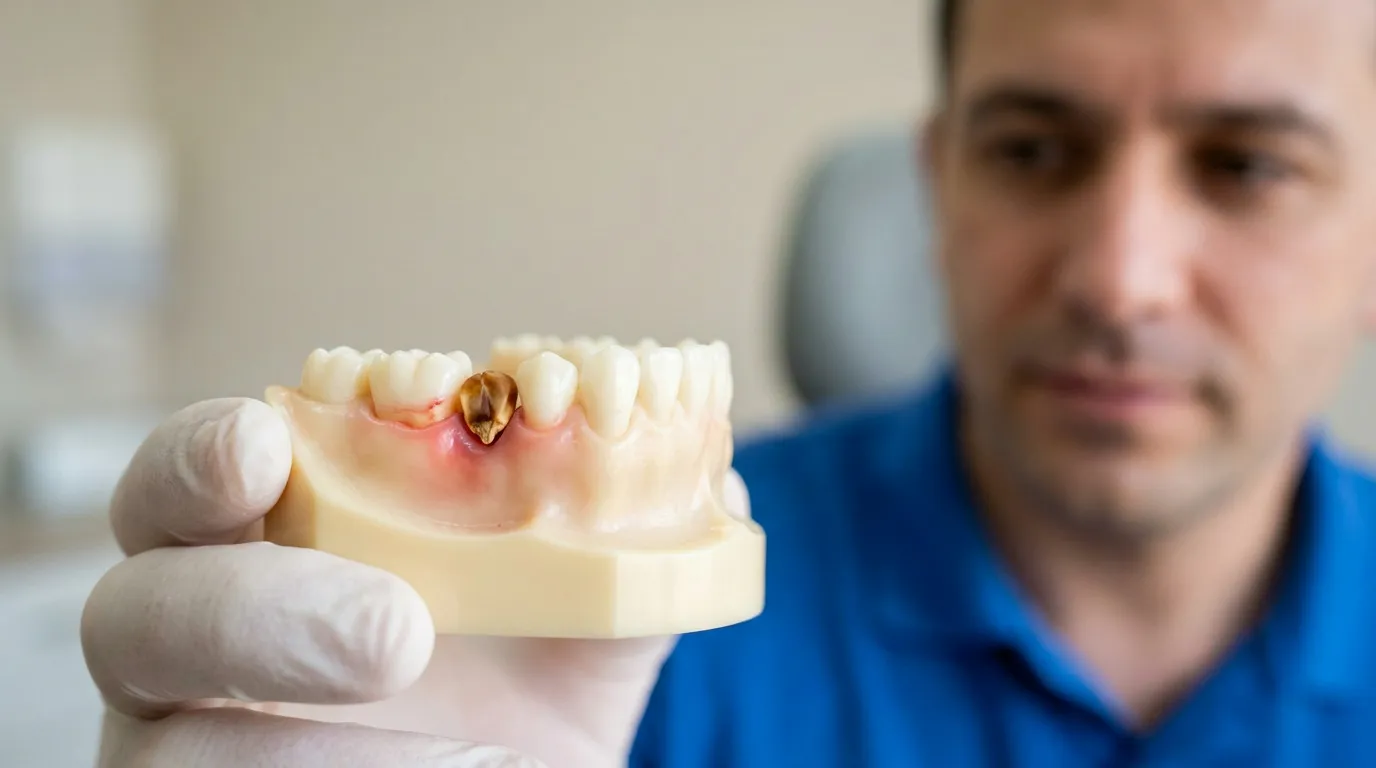
A gloved hand holds a dental model showing a popcorn kernel husk wedged in the gumline of a tooth, with a blurred person in a blue shirt in the background.

Need Help With a Stubborn Kernel or Dental Discomfort?

If you've tried home remedies and a popcorn kernel is still causing you trouble, or if you're experiencing pain, swelling, or any dental concern, please contact Lifetime Smiles Cosmetic Dentistry. Dr. Sean Arzegar and our team in South Austin are ready to provide expert, gentle care. Schedule your appointment today.

Signs You Need Professional Dental Help

You need professional dental help if a popcorn kernel causes persistent pain, swelling, redness, or bleeding gums, or if home remedies fail after 24-48 hours. Any signs of infection like pus, fever, or increased discomfort when biting down also warrant an immediate visit to a dentist like Dr. Sean Arzegar.

It's vital to recognize when a seemingly minor issue requires the expertise of a dental professional. Ignoring these signs can lead to more complex treatments down the line. If you're in South Austin, Lifetime Smiles Cosmetic Dentistry is here to help.

  • Persistent pain: If the discomfort doesn't subside or worsens, even after trying home remedies, it's a clear signal.
  • Swelling or redness: Noticeable inflammation of the gums around the area indicates irritation or potential infection.
  • Bleeding gums: If your gums bleed easily or spontaneously, especially after gentle cleaning, it could mean a foreign object is causing trauma.
  • Signs of infection: Look for pus, a foul taste in your mouth, fever, or generalized facial swelling. These are serious symptoms requiring urgent care.
  • Inability to eat comfortably: If chewing or biting down causes significant pain, the kernel might be impacting your tooth or jaw.

Why a Dentist is Essential

A dentist has specialized tools and training to safely and effectively remove lodged debris without causing further damage. Dr. Arzegar can assess the situation, remove the kernel, and address any resulting inflammation or infection with appropriate treatment.

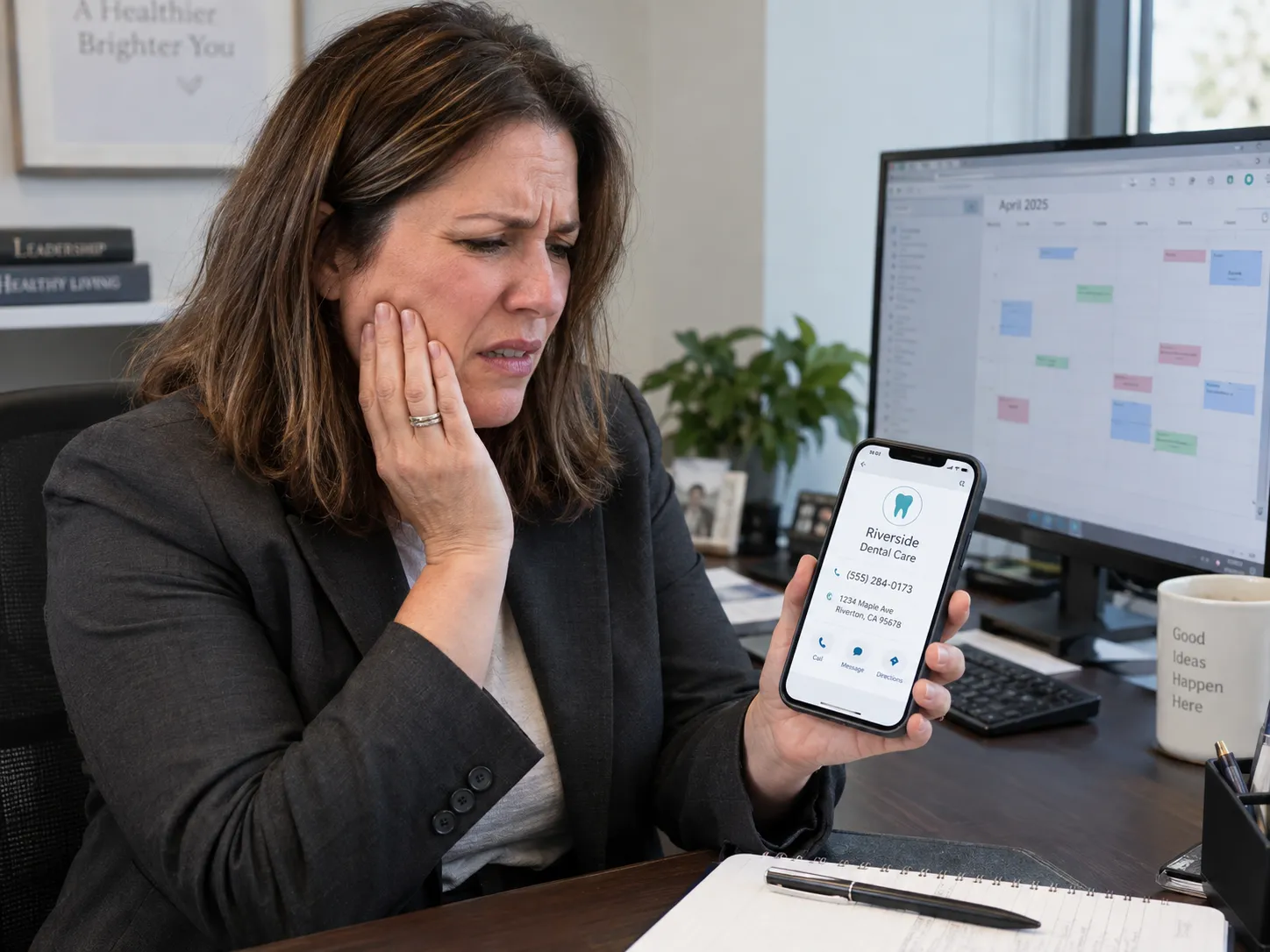
Sydney holds her cheek with a pained expression while looking at her phone, which displays a dental practice's contact information, at an office desk with a calendar on a computer monitor in the background.

How Dentists Remove Stuck Popcorn Kernels

Dentists remove stuck popcorn kernels using specialized dental instruments like fine probes, periodontal scalers, or ultrasonic devices to gently dislodge the debris. They can also provide a thorough cleaning of the affected area and prescribe antibiotics if an infection has developed, ensuring precise and safe removal.

When you visit Dr. Sean Arzegar at Lifetime Smiles, he will first conduct a thorough examination of the affected area. This often involves visual inspection and sometimes an X-ray to determine the exact location and depth of the lodged kernel, especially if it's deeply embedded or causing significant discomfort.

Once the kernel's position is identified, Dr. Arzegar will use precision instruments designed for delicate oral work. These might include fine dental probes to carefully lift the kernel, or ultrasonic scalers that use high-frequency vibrations to gently dislodge it without damaging your teeth or gums. He will ensure the entire kernel and any fragments are removed, followed by a thorough cleaning of the area to prevent infection and promote healing. If an infection is present, he may prescribe medication.

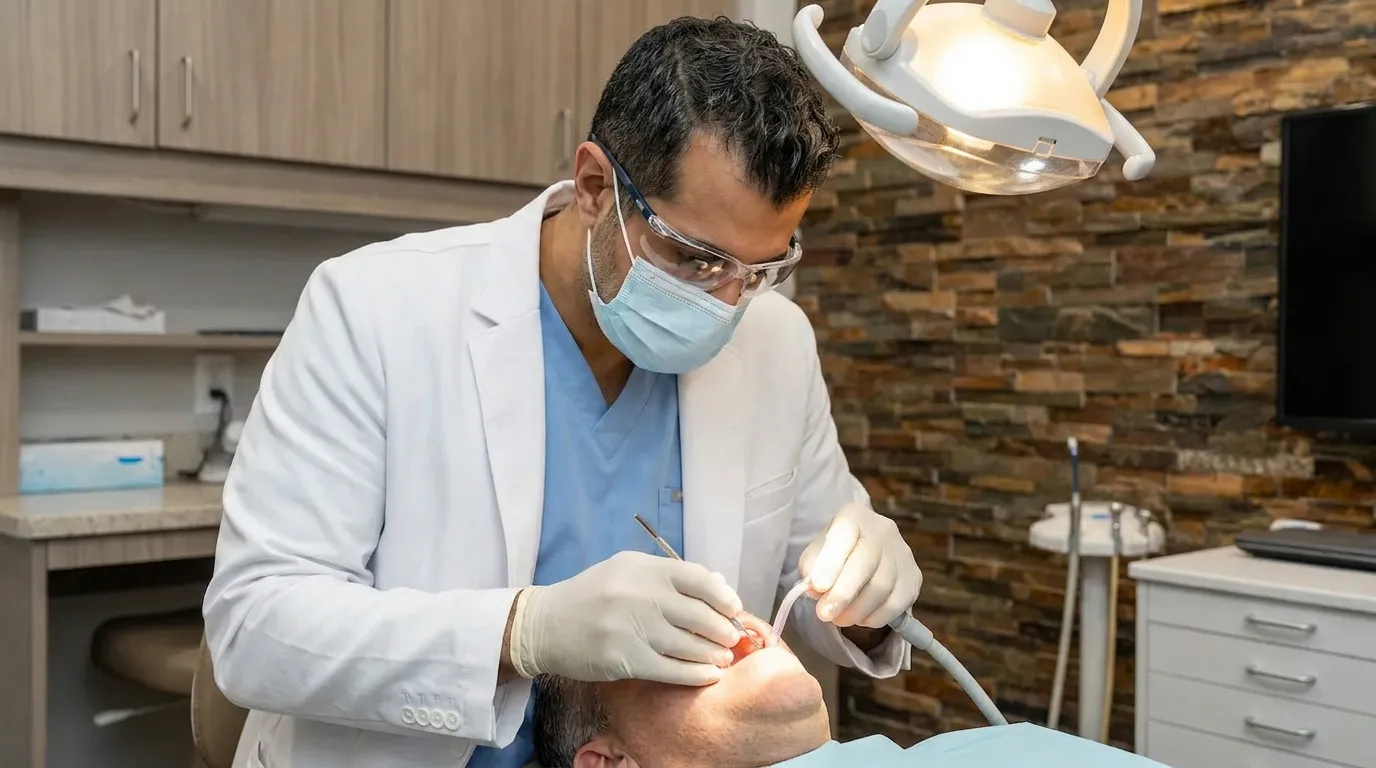
Dr. Sean Arzegar, wearing a white lab coat, blue scrubs, mask, and safety glasses, works on a patient's mouth with dental tools and a suction, under an overhead light in a dental office.

Preventing Future Popcorn Kernel Incidents

Preventing future popcorn kernel incidents involves good oral hygiene, careful chewing, and considering professional dental cleanings. Regularly brushing, flossing, and using mouthwash helps remove debris, while cautious eating habits reduce the chances of lodging. Regular check-ups with Dr. Arzegar can also identify potential problem areas.

While it's difficult to completely avoid the occasional popcorn kernel mishap, you can significantly reduce the frequency and severity of these incidents. Proactive oral care and mindful eating are your best defenses.

  • Maintain excellent oral hygiene: Brush your teeth twice daily and floss at least once a day to keep spaces between teeth clear and prevent debris from lodging easily. Consider using a water flosser for added effectiveness.
  • Chew carefully: Be mindful when eating popcorn, especially in the last few handfuls when kernels become more prevalent. Chew slowly and thoroughly to break down food particles.
  • Regular dental check-ups: Visit Lifetime Smiles Cosmetic Dentistry in South Austin for routine exams and cleanings. Dr. Arzegar can identify and address any small gaps, worn fillings, or gum pockets that might be predisposed to trapping food.
  • Consider dental sealants: If you have deep grooves in your molars, dental sealants can provide a protective barrier, making it harder for small food particles to get stuck.
  • Address dental issues promptly: Don't delay in fixing chipped teeth, loose fillings, or ill-fitting crowns, as these can create ideal traps for food debris.

Importance of Prevention

Preventing kernels from getting stuck in the first place is always preferable to having to remove them. Consistent daily habits are key to a healthy, trouble-free smile.

A woman in a teal linen shirt holds a white water flosser to her mouth in a kitchen with a sink, chrome faucet, and tiled backsplash.

What This Means for You

Finding a popcorn kernel stubbornly lodged in your teeth or gums can be more than just a minor inconvenience; it can pose real risks to your oral health if not handled correctly. While initial home remedies like rinsing, flossing, and using a water flosser are often effective, it’s crucial to know when to stop and seek professional help. Aggressive attempts at removal can lead to inflamed gums, infection, or even damage to your teeth.

If you're in the South Austin area and find yourself with a persistent popcorn kernel, or any discomfort that doesn't resolve with gentle home care, don't hesitate to reach out. Dr. Sean Arzegar and the compassionate team at Lifetime Smiles Cosmetic Dentistry are experienced in safely addressing such issues. His commitment to patient comfort and oral health ensures that even seemingly small problems are treated with the utmost care and expertise. From simple extractions to comprehensive smile makeovers, we are dedicated to providing you with gentle, effective care. Your healthy, comfortable smile is our priority.

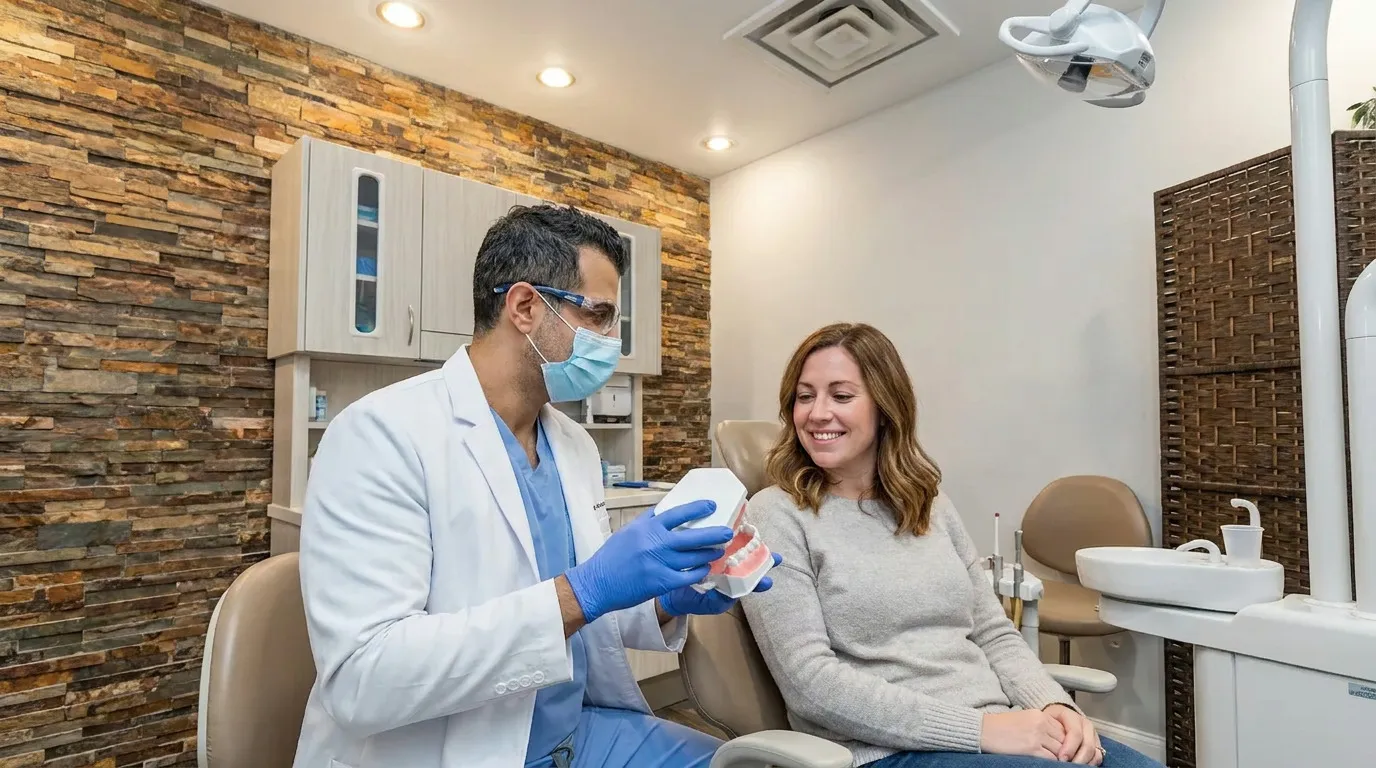
Dr. Sean, wearing a mask and safety glasses, holds a teeth model while talking to a smiling Catherine, who sits in a dental chair in a brightly lit room with a stone accent wall.

Frequently Asked Questions

1. What happens if a popcorn kernel gets stuck in your gums?
If a popcorn kernel gets stuck in your gums, it can cause localized inflammation, pain, and potentially lead to an infection or gum abscess if not removed.

2. How long can a popcorn kernel stay stuck in your teeth?
A popcorn kernel can stay stuck for days or even weeks if not dislodged, causing ongoing irritation and increasing the risk of gum inflammation or infection.

3. Is it dangerous to leave a popcorn kernel stuck?
Yes, leaving a popcorn kernel stuck can lead to gum irritation, inflammation, infection, or damage to gum tissue, potentially impacting your overall oral health.

4. Can a water flosser remove a stuck kernel?
Yes, a water flosser can be very effective at dislodging popcorn kernels or husks, especially those caught under the gumline, by using a gentle stream of water.

5. Should I use a toothpick to remove a kernel?
No, you should avoid using toothpicks or other sharp objects to remove a kernel, as this can push it deeper, injure your gums, or damage your teeth.

6. When should I see a dentist for a stuck kernel?
You should see a dentist if a kernel causes persistent pain, swelling, bleeding, or signs of infection, or if home remedies don't work after 24-48 hours.

7. Can a stuck kernel cause bad breath?
Yes, if a popcorn kernel remains trapped, it can harbor bacteria and contribute to localized bad breath (halitosis) due to decaying food particles and infection.

8. What if the kernel is stuck under my dental work?
If a kernel is stuck under a crown or filling, it's best to see a dentist, as aggressive home attempts could damage the restoration or push the kernel further.

9. Does a salt-water rinse help remove kernels?
A salt-water rinse can help soothe inflamed gums and may assist in dislodging loosely caught kernels by washing debris away, but it's often not enough for stubborn ones.

10. How can Dr. Sean Arzegar help with a stuck kernel?
Dr. Sean Arzegar can use specialized dental tools to safely remove the kernel, clean the area, and address any resulting inflammation or infection, ensuring patient comfort.


Related Blog Posts

Stay Informed with Expert Insights & Tips About Dental Care

Different Types of Smiles and What They Reveal

Understanding the nuances of your smile and addressing aesthetic concerns can profoundly boost confidence and enhance how you express yourself daily.

8.6.2026
READ MORE

Why Your Tooth Hurts When Biting Down

Persistent tooth pain when biting down signals an underlying issue that requires professional attention and prompt evaluation.

7.10.2026
READ MORE

Understanding and Fixing a Downturned Smile

Discover causes and fixes for a downturned smile, often caused by aging, genetics, or alignment issues, and reclaim your radiant confidence.

7.10.2026
READ MORE
Front exterior of Lifetime Smiles Adult & Pediatric Dentistry clinic with visible signage, glass entrance doors, and a white and navy building facade on a sunny day.

Now Accepting New Patients

(512) 900-2384 info@atxdentistry.com
2100 W William Cannon Dr, Austin, TX 78745

Business Hours

Monday: 8:00 AM – 4:00 PM
Tuesday:
9:00 AM – 4:00 PM
Wednesday:
8:00 AM – 2:00 PM
Thursday:
9:00 AM – 4:00 PM
Friday:
8:00 AM – 2:00 PM
Saturday/Sunday:
Closed
(512) 900-2384

Book an Appointment

Thank you! Your submission has been received!
Oops! Something went wrong while submitting the form.

We Accept All Major Insurances