1. My tooth hurts when I bite down; what does that mean?
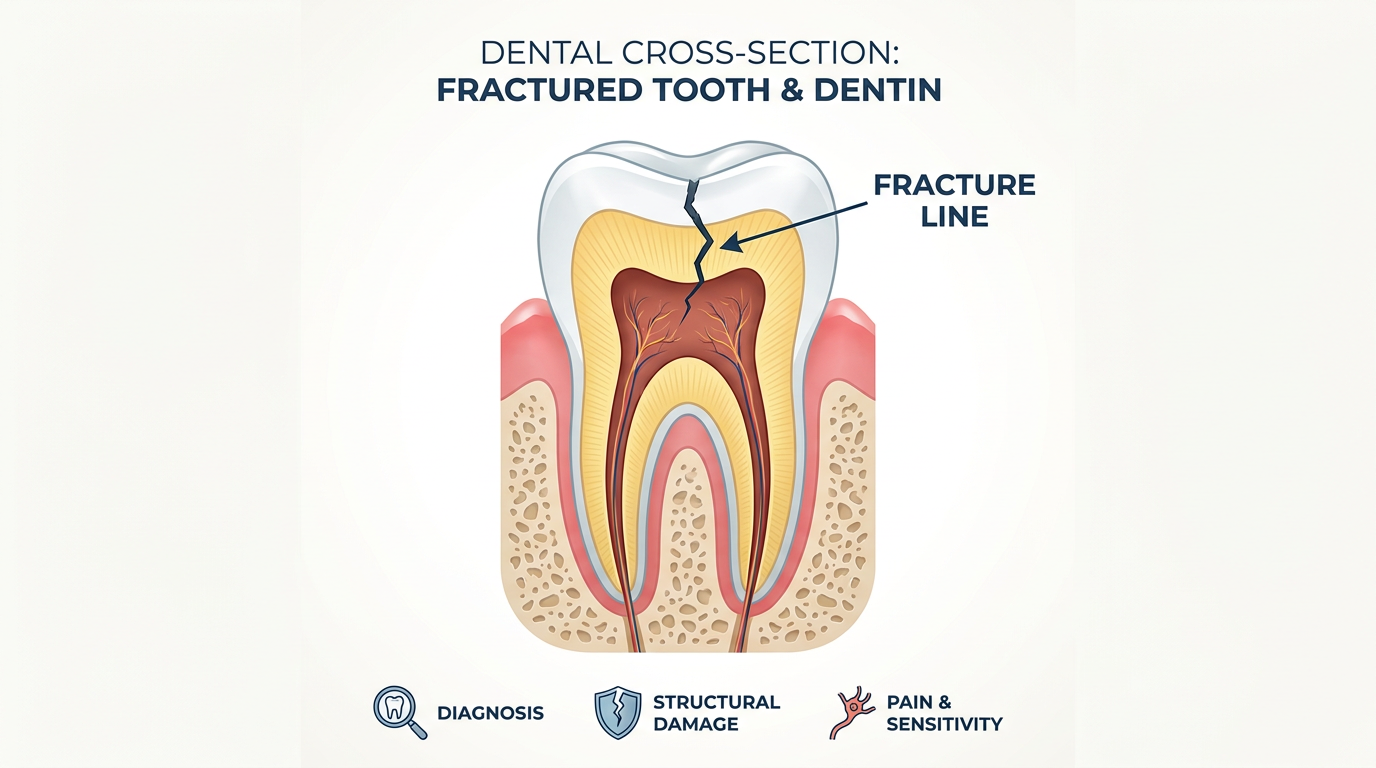
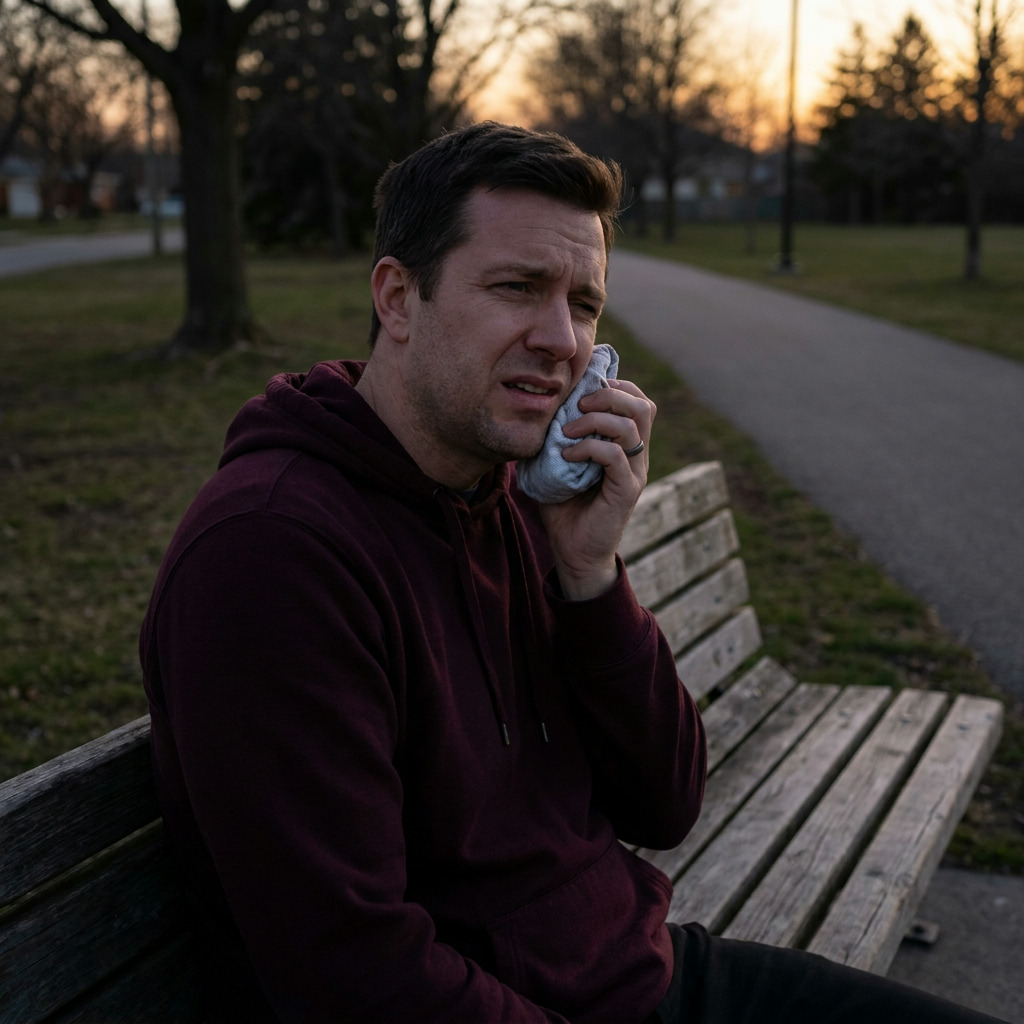
When a tooth hurts when you bite down, it often indicates an underlying issue such as a cracked tooth, decay, an abscess, or a problem with a filling. This distinct type of pain requires a dental professional's evaluation to identify the specific cause and recommend appropriate treatment to prevent further complications.
2. How can I tell if my tooth pain is serious?
You should consider tooth pain serious if it is constant, severe, accompanied by swelling, fever, or difficulty opening your mouth. If the pain prevents you from eating or sleeping, it warrants immediate attention. Dr. Arzegar advises against waiting, as prompt evaluation can prevent more extensive treatment.
3. Can stress or grinding cause bite-down tooth pain?
Yes, stress and teeth grinding (bruxism) can absolutely cause tooth pain when biting down. The excessive force can lead to hairline cracks in teeth, muscle soreness in the jaw, and even contribute to TMJ issues, all of which manifest as discomfort upon chewing. Dr. Arzegar can assess if you need a mouthguard.
4. What can I do for temporary relief before seeing the dentist?
For temporary relief from bite-down tooth pain, avoid chewing on the affected side and stick to soft foods. You can also try over-the-counter pain relievers or apply a cold compress to your cheek if there's swelling. However, these are only temporary measures, and seeing Dr. Arzegar is vital for a definitive solution.
5. Will I need a root canal for a tooth that hurts when I bite?
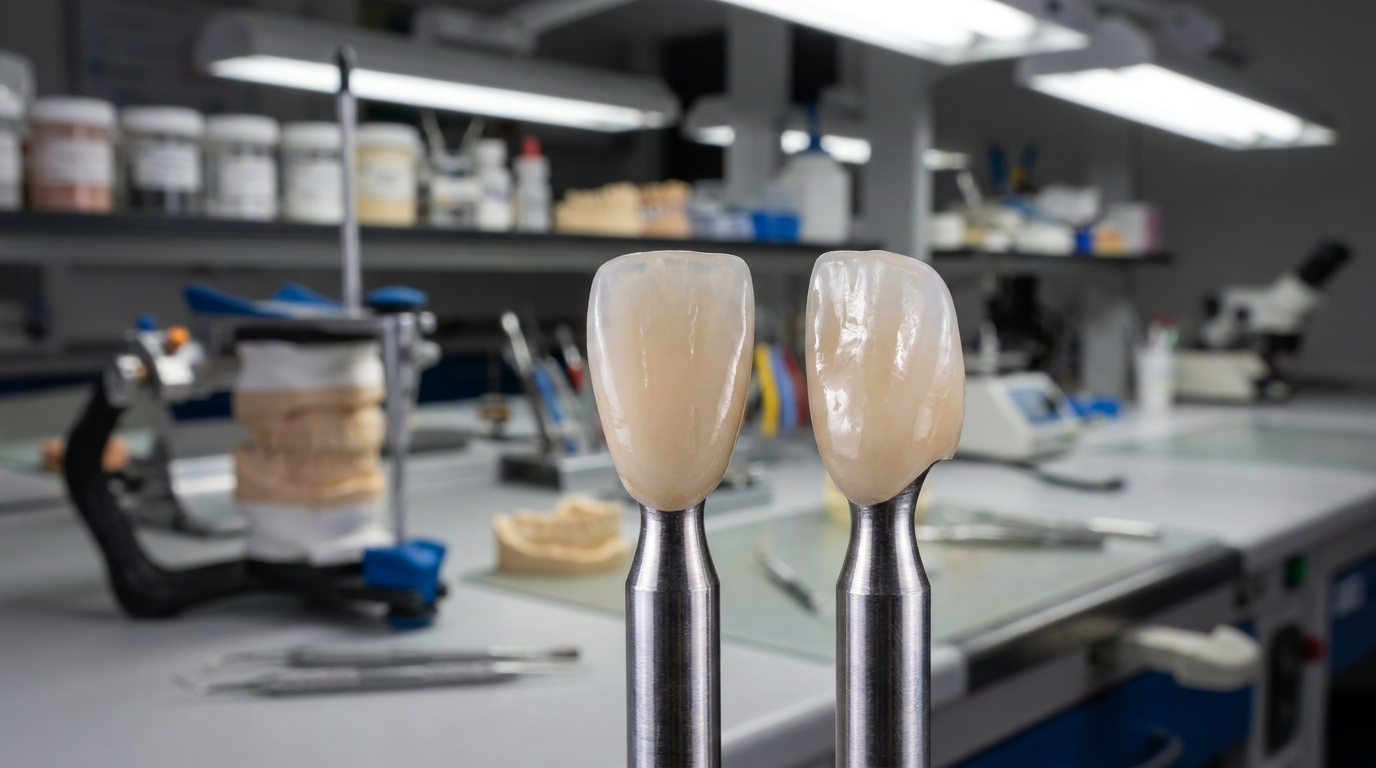
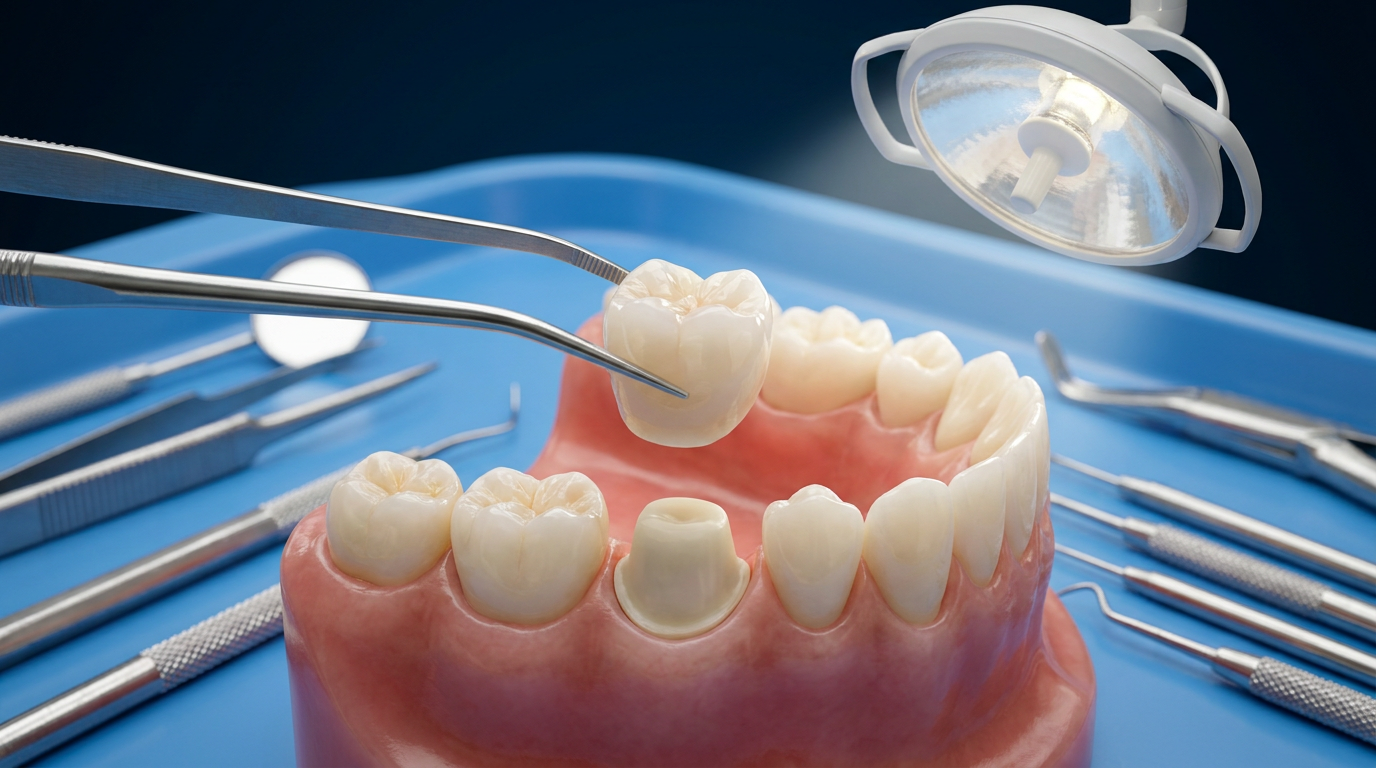
Not necessarily. While severe decay or an abscess causing bite-down pain might require a root canal, many other causes do not. A cracked tooth might need a crown, and a high filling simply requires adjustment. Dr. Arzegar will perform a thorough examination to determine the least invasive and most effective treatment.
6. How does Dr. Arzegar diagnose the cause of bite pain?
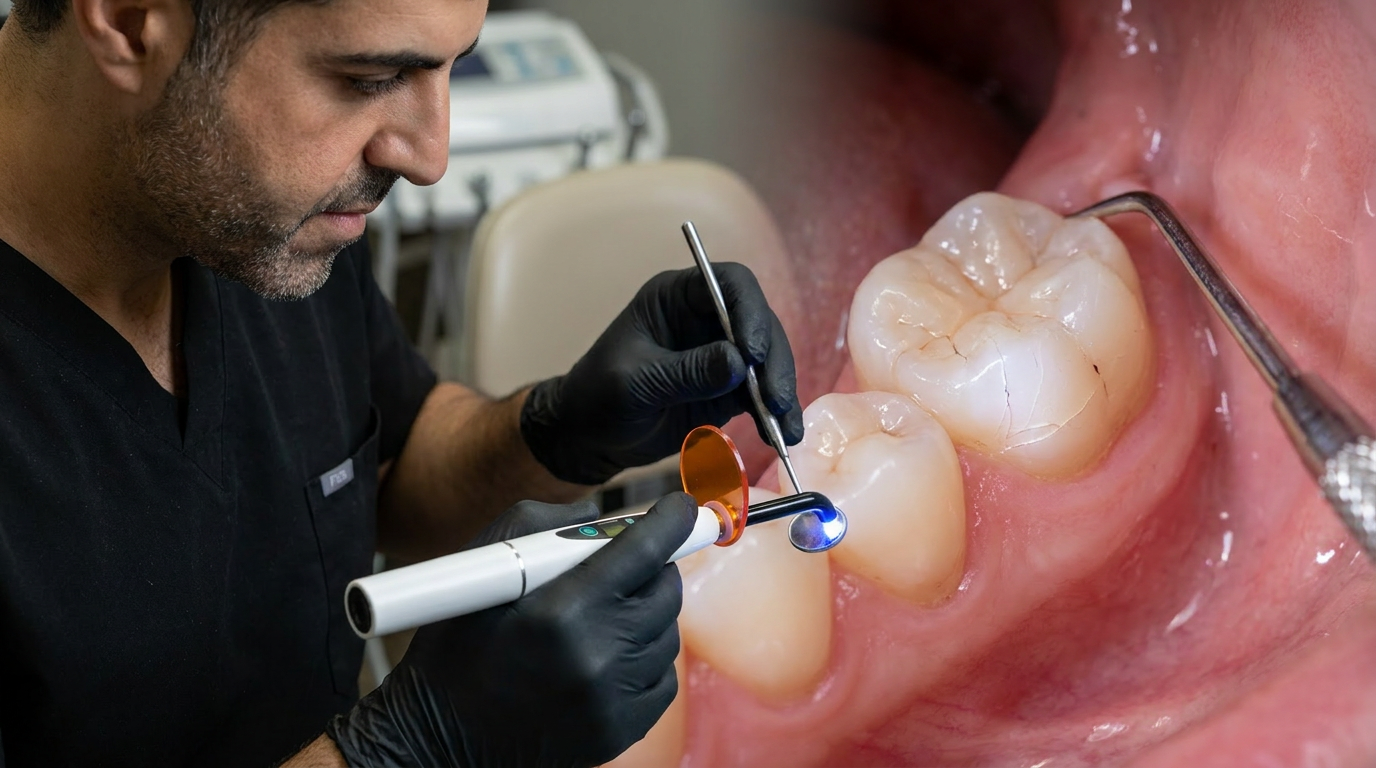
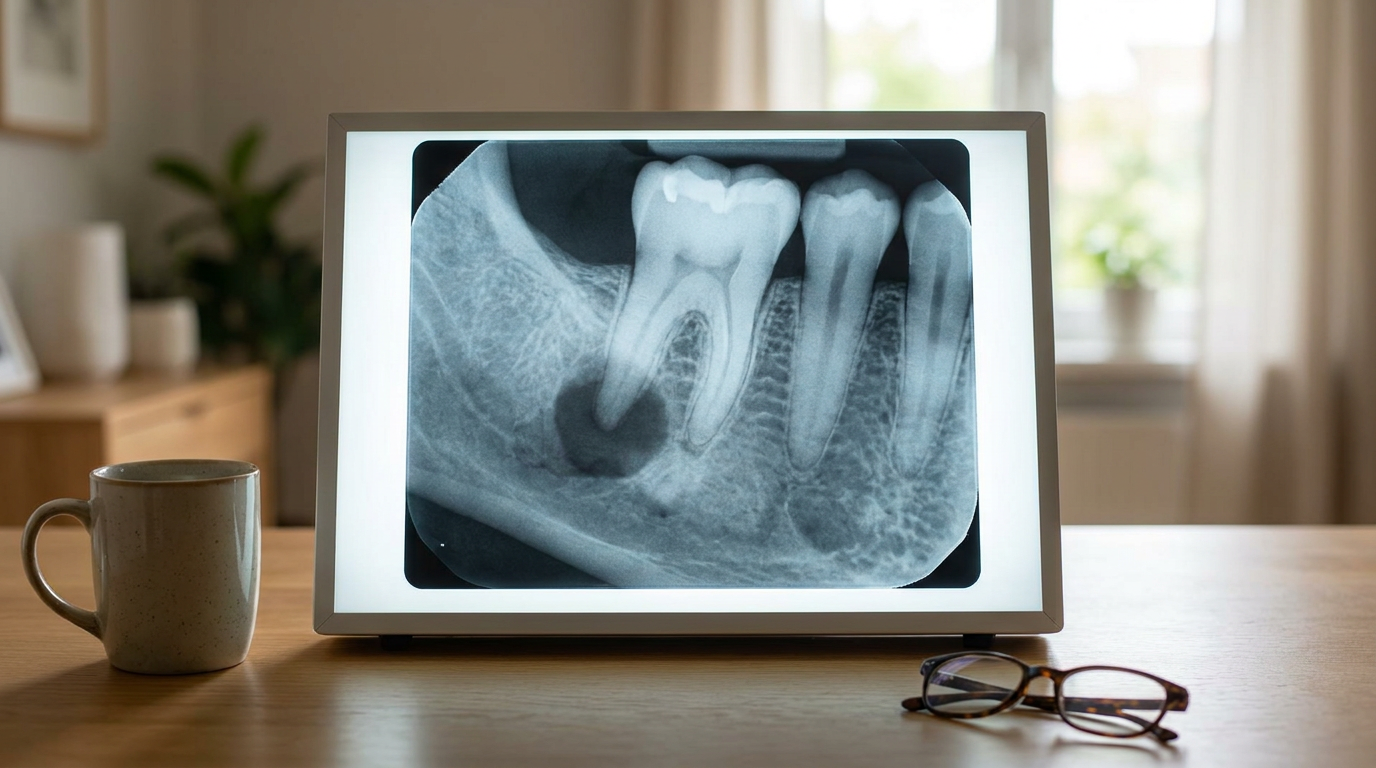
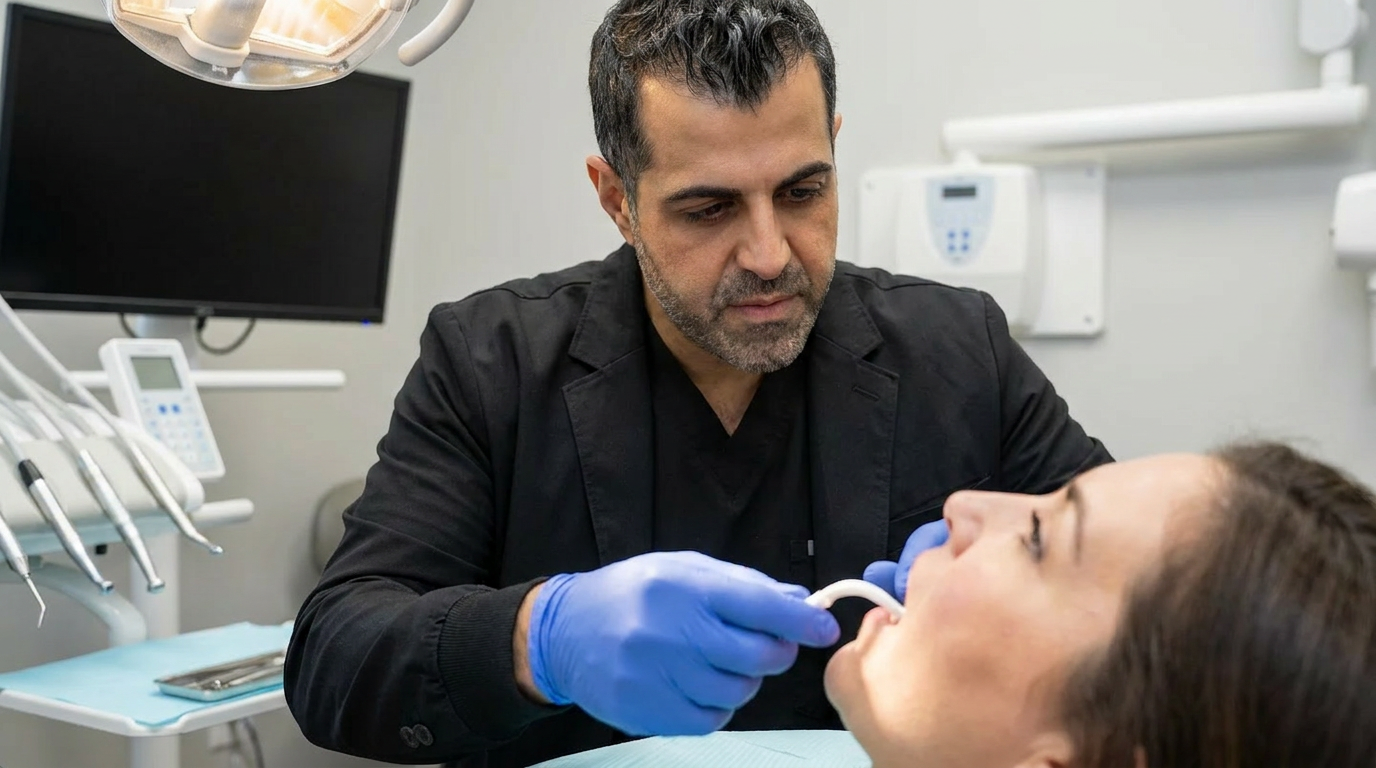
Dr. Arzegar diagnoses bite pain by discussing your symptoms, visually examining your teeth and gums, and often using a bite stick to isolate the painful tooth. He will also take X-rays to check for hidden issues like decay or abscesses, ensuring a precise and accurate diagnosis.